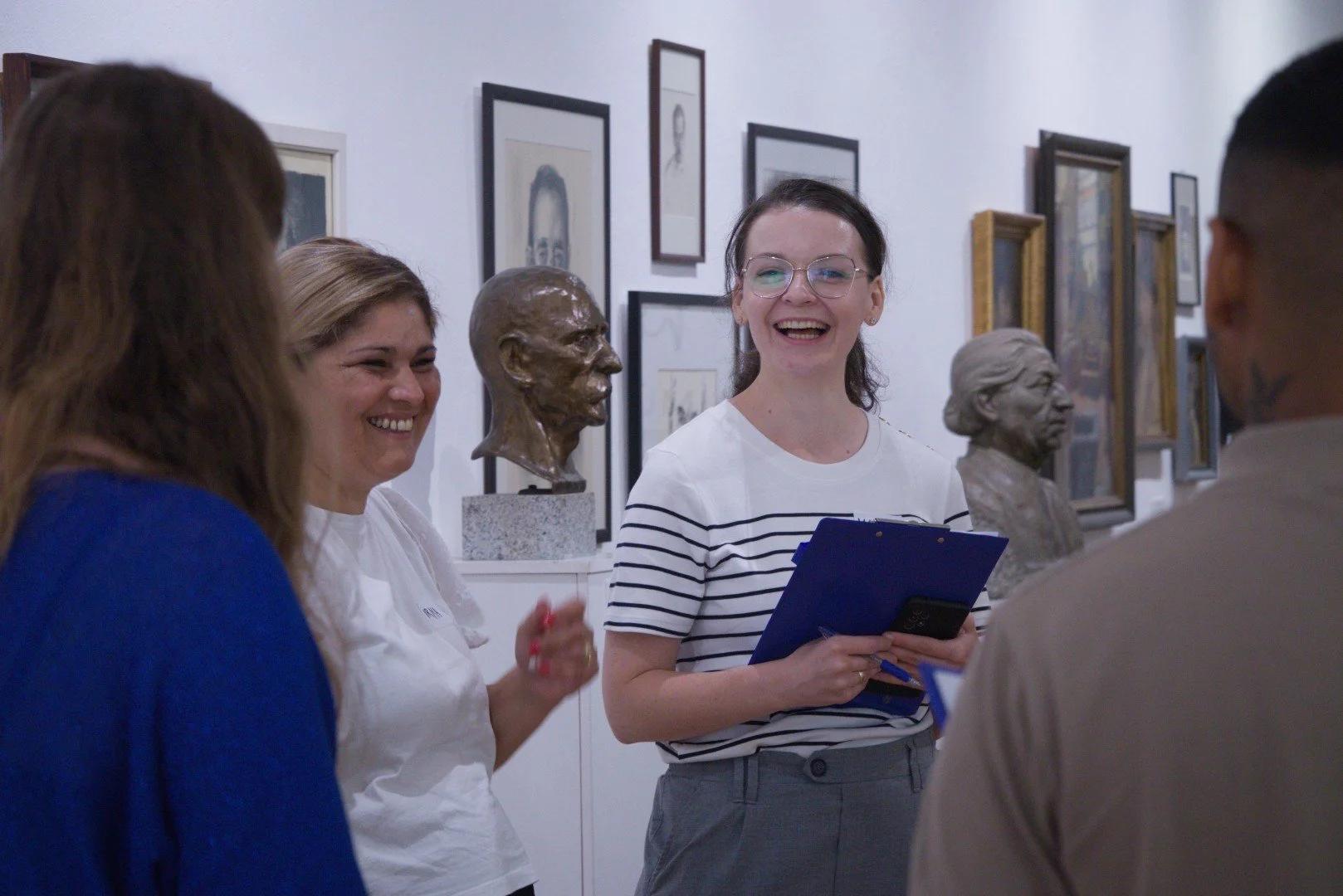
What if we viewed our students’ multilingual realities not as a problem to be solved, but as an invitation to listen more deeply and teach more attentively? Listening Without Borders is that kind of invitation. It doesn’t ask us to do more. It guides us to attune better to what is needed to make the educational experience meaningful to all.
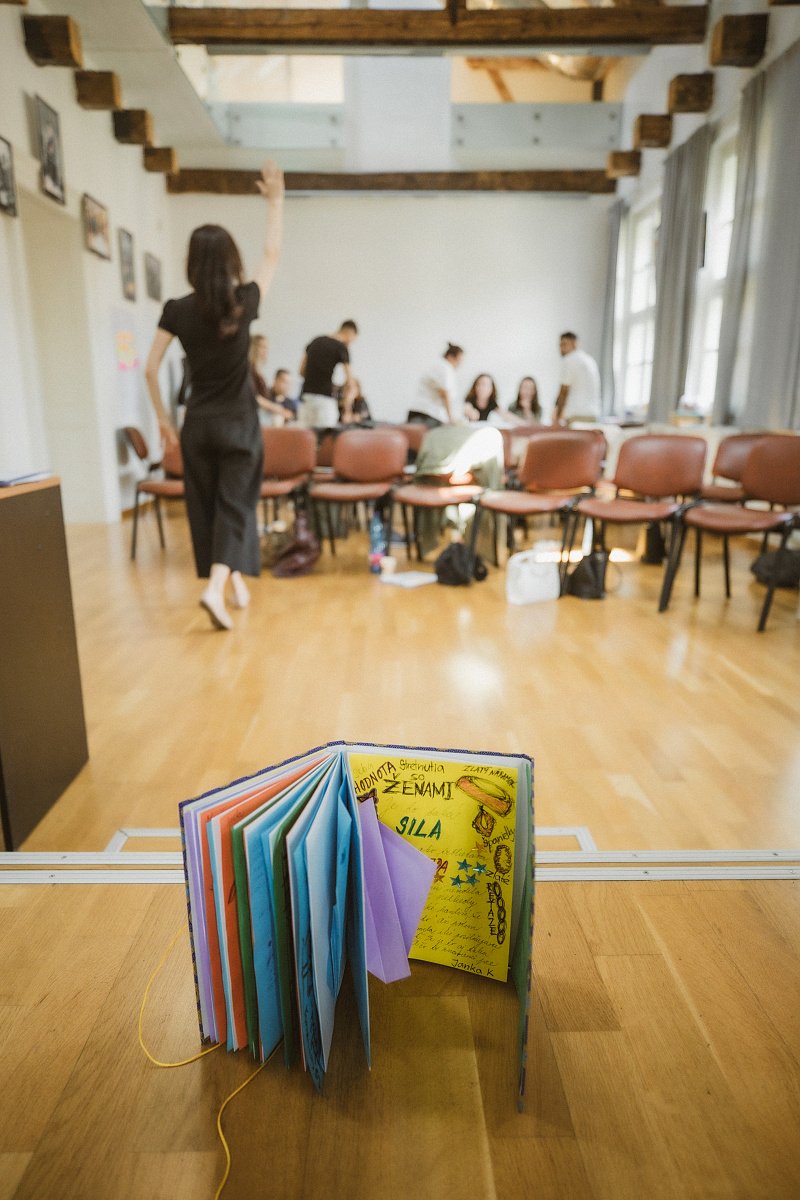
How can Listening Without Borders help educators working in multilingual communities?
How can its principles be translated into practical approaches for organising schools and classrooms, interacting with students and their families and creating environments where both teachers and students are supported to nurture their gifts and engage meaningfully with the world around them?
If these questions matter to you, take a look at our professional development offer. We’d be delighted to welcome you.
Professional Development Offer
Educating in Multilingual Environments Foundation Workshop
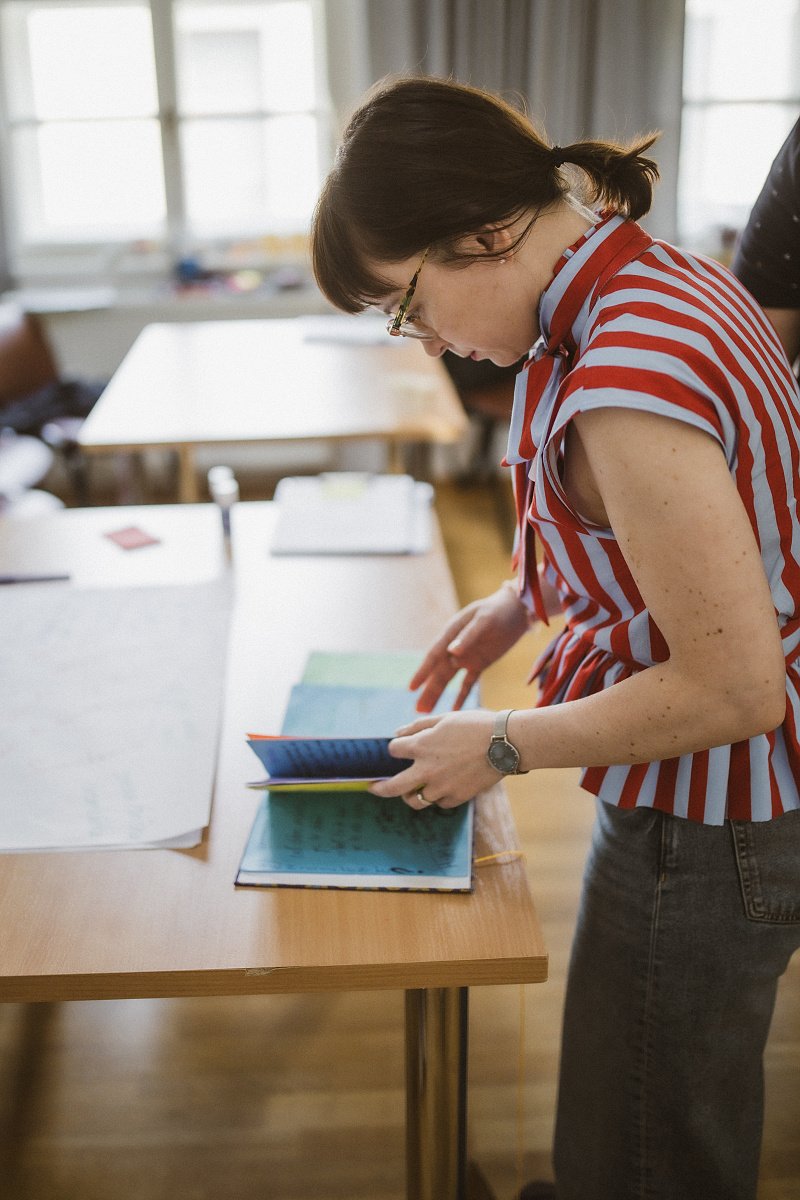
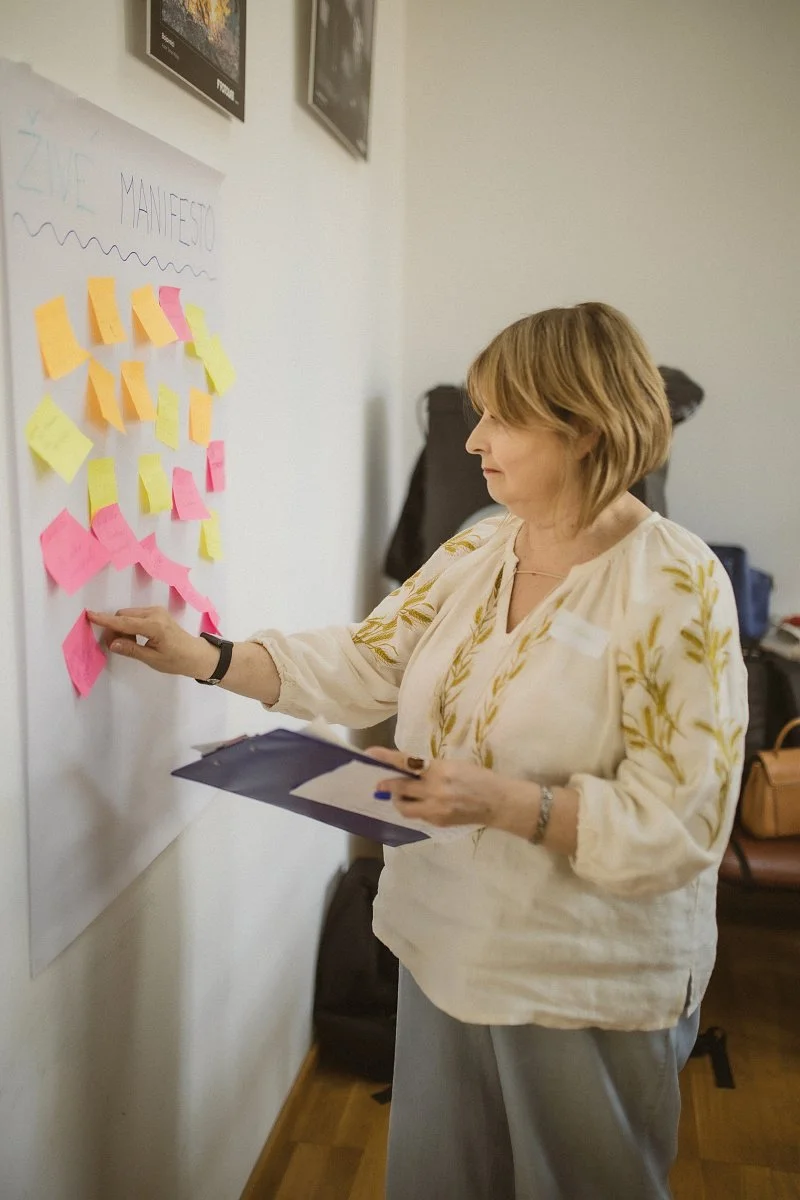
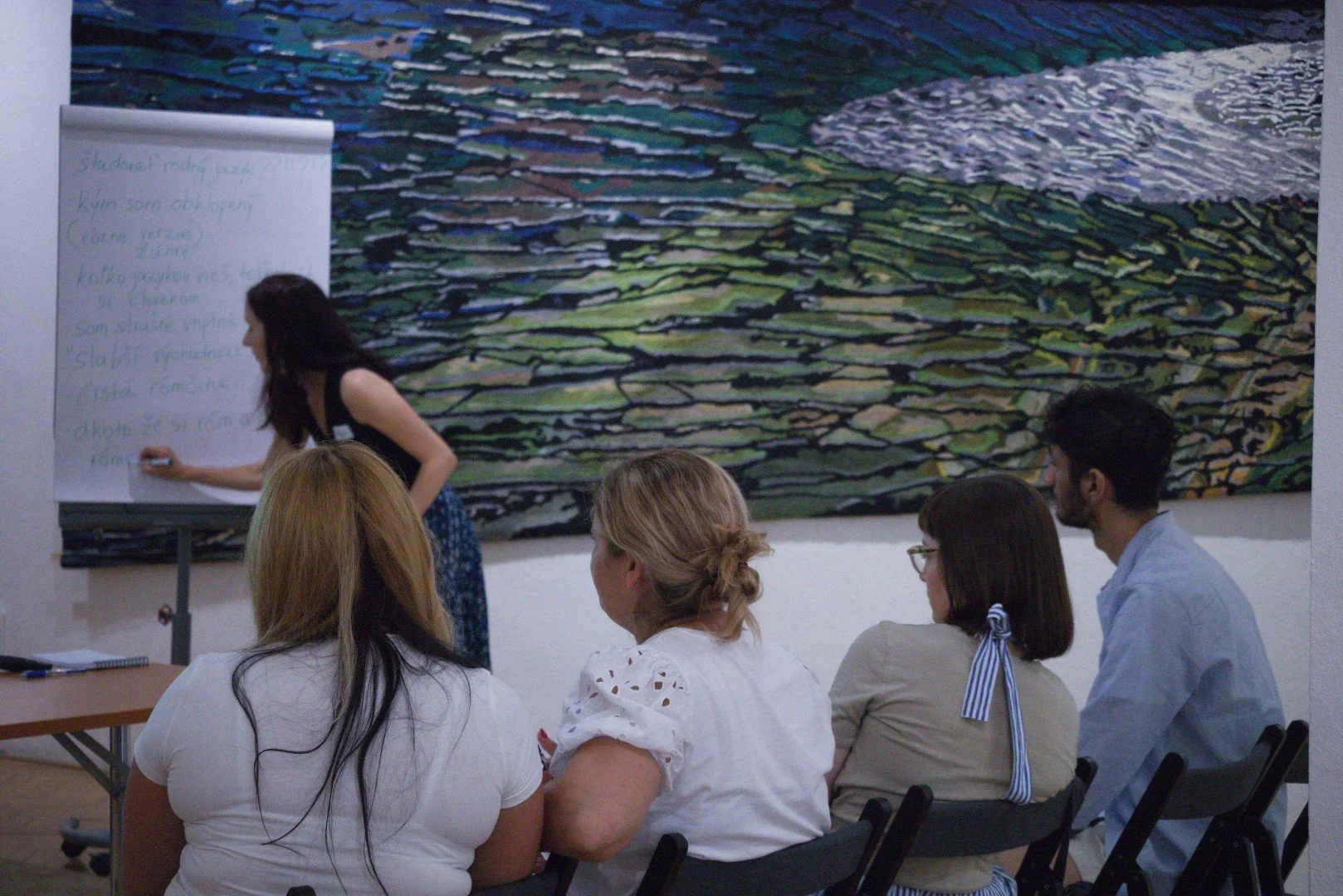
This experiential one-day workshop is suitable for any professionals working in formal and informal education wishing to support their multilingual students. It will equip you with an understanding of the ethical dimension of educating in multilingual environments and of the role of language in the educational process. You will experience what happens when language repertoires of people of multilingual backgrounds are excluded. You will be guided through the Listening Without Borders Method to develop practical ways of including these diverse language repertoires in the educational process and creating educational environments that centre on dignity, well-being and academic success of all. Read a blog describing the recent workshop experience.
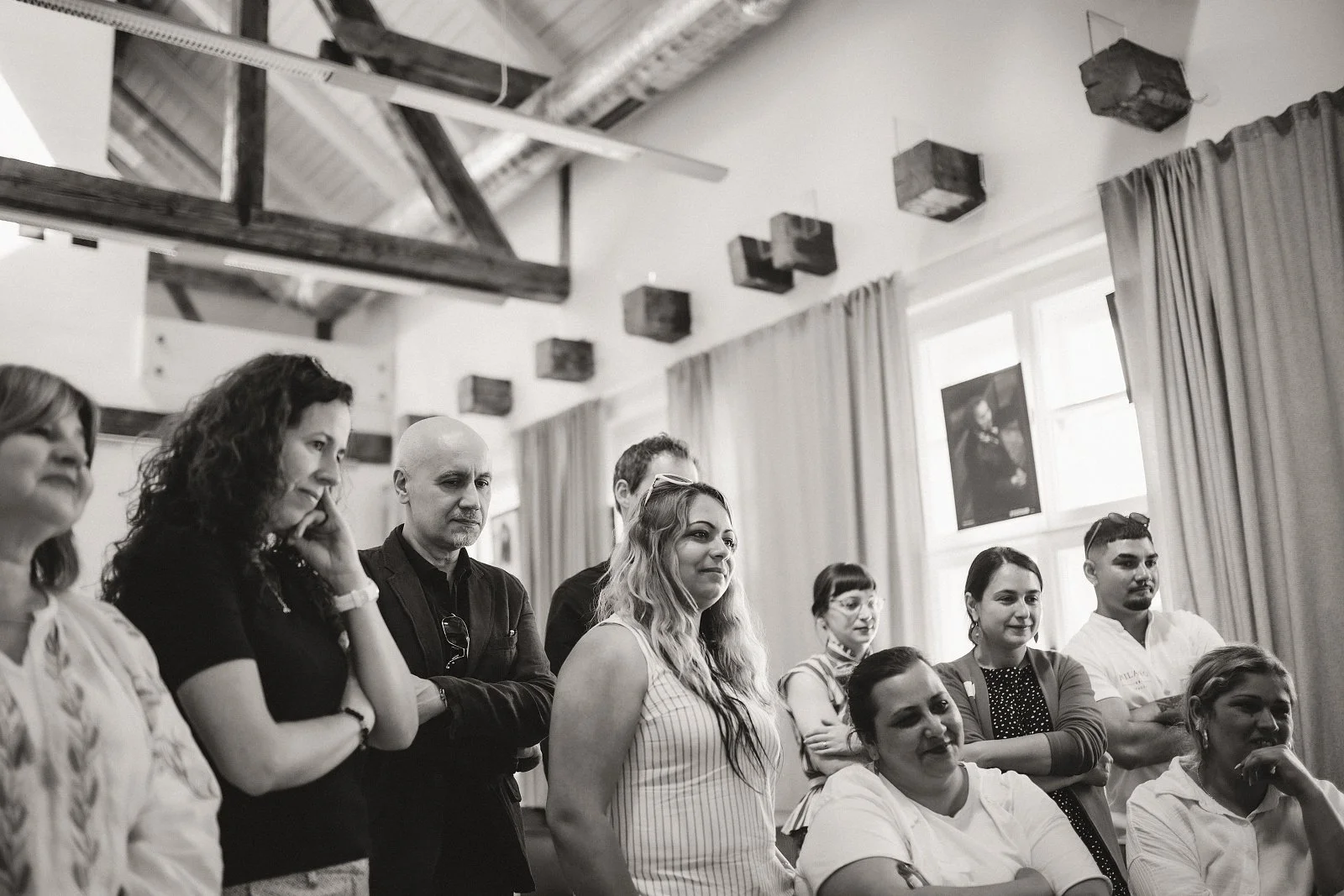
Listening Without Borders Slovakia Community Webinar Series
Our network is informed by collaborative research which brings researchers, educators, and community members together in an ongoing conversation. Our meetings are guided by the principles of the Listening Without Borders Method to help us to listen to experiences that are different from ours, ask ourselves and each other good questions, and build connections to sustain us in our day-to-day practice of supporting students in our multilingual classrooms, schools and communities. The current series is aimed at participants in Slovakia, please register your interest if you’d like to join. Use the same button to tell us if you’d like to join an international community webinar series (in English) or if you would like us to help you with setting up a Listening Without Borders Community Webinar Series in your country.
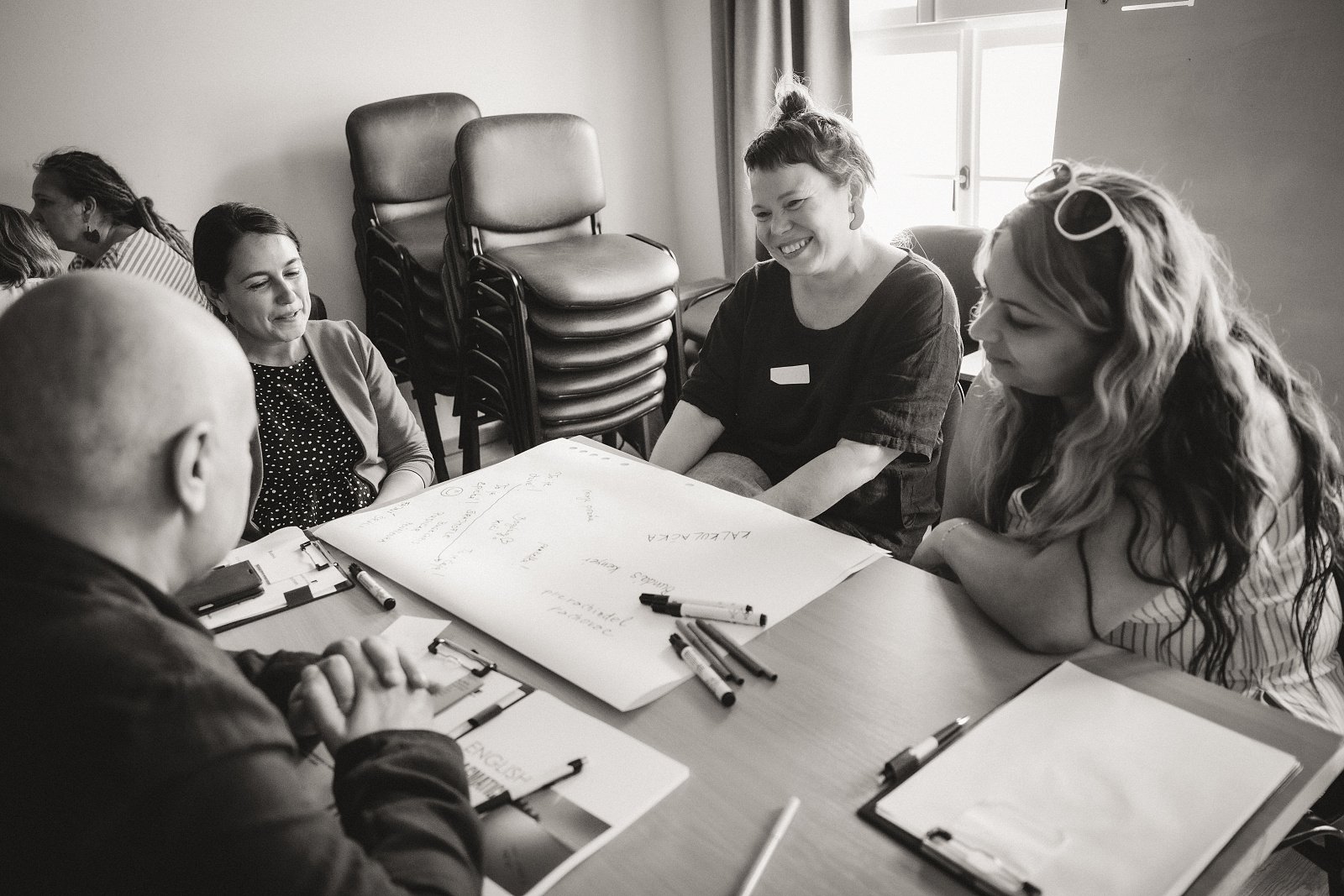
NEW: Listening Without Borders Slovakia Community Pilot Labs
We are constantly developing new tasks and materials that can respond to the specific needs of those we work with. We are now launching a new series of Community Pilot Labs, where you and your community (school, after-school club, arts organisation, community centre, etc.) can participate in developing, piloting and evaluating new approaches in your own setting. Participation is by invitation only. To be invited to take part, please register your interest and tell us as much as possible about your work, your organisation, your community and how participating in this professional development opportunity would be of benefit. Successful applicants will be contacted with further information. The current series is aimed at participants in Slovakia. Please use the same button to register your interest if you’d like to join a future Community Pilot Lab in your country.
What People Are Saying
“Ďakujeme za tento workshop. Bol veľmi prínosný pre mňa osobne najmä kôli uvedomeniu si, s akými zásadnými bariérami sa stretávajú deti, ktoré nemajú slovenský jazyk ako prvý, vo vzdelávacom procese. Workshop mi pomohol v uvedomení si, že pri našich aktivitách musíme mať vždy asistentov, ktorí ovládajú prvý jazyk detí, ktoré sa ich zúčastňujú. Napríklad v minulosti sme mali aj asistentov z majority (ale poznali deti osobne a dlhodobo), to však nestačí. Budem sa viac zaujímať o advokáciu v tejto téme a o posilňovanie postavenia mladých asistentov, asistentiek, učiteľov a učiteliek z viacjazyčných komunít.”
— cultural organisation worker
“Thank you for this workshop. I found it very valuable on a personal level, particularly because it helped me recognise the significant barriers that children whose first language is not Slovak face in the education system. The workshop made me realise that we must always ensure that our activities are supported by assistants who speak the first languages of the children taking part. For example, in the past, we have also had assistants from the majority population who knew the children personally and had worked with them over a long period of time. However, I now realise that this alone is not enough. I will take a greater interest in advocacy around this issue and in empowering young assistants, teachers and educators from multilingual communities.
“Som veľmi vďačná, že som sa workshopu mohla zúčastniť. Odniesla som si množstvo podnetov na premýšľanie, ktoré určite využijem vo svojej práci jazykovej lektorky aj lexikografky. Verím, že získané poznatky mi pomôžu ešte citlivejšie pristupovať k výučbe vo viacjazyčnom prostredí a k práci s rôznorodými komunitami..”
— Martina Horňáková, Nadácia Dobrá rómska víla Kesaj
“I am very grateful to have had the opportunity to take part in the workshop. I came away with plenty of food for thought that I will certainly draw on in my work as a language teacher and lexicographer. I believe the insights I gained will help me take an even more sensitive and thoughtful approach to teaching in multilingual environments and working with diverse communities.”
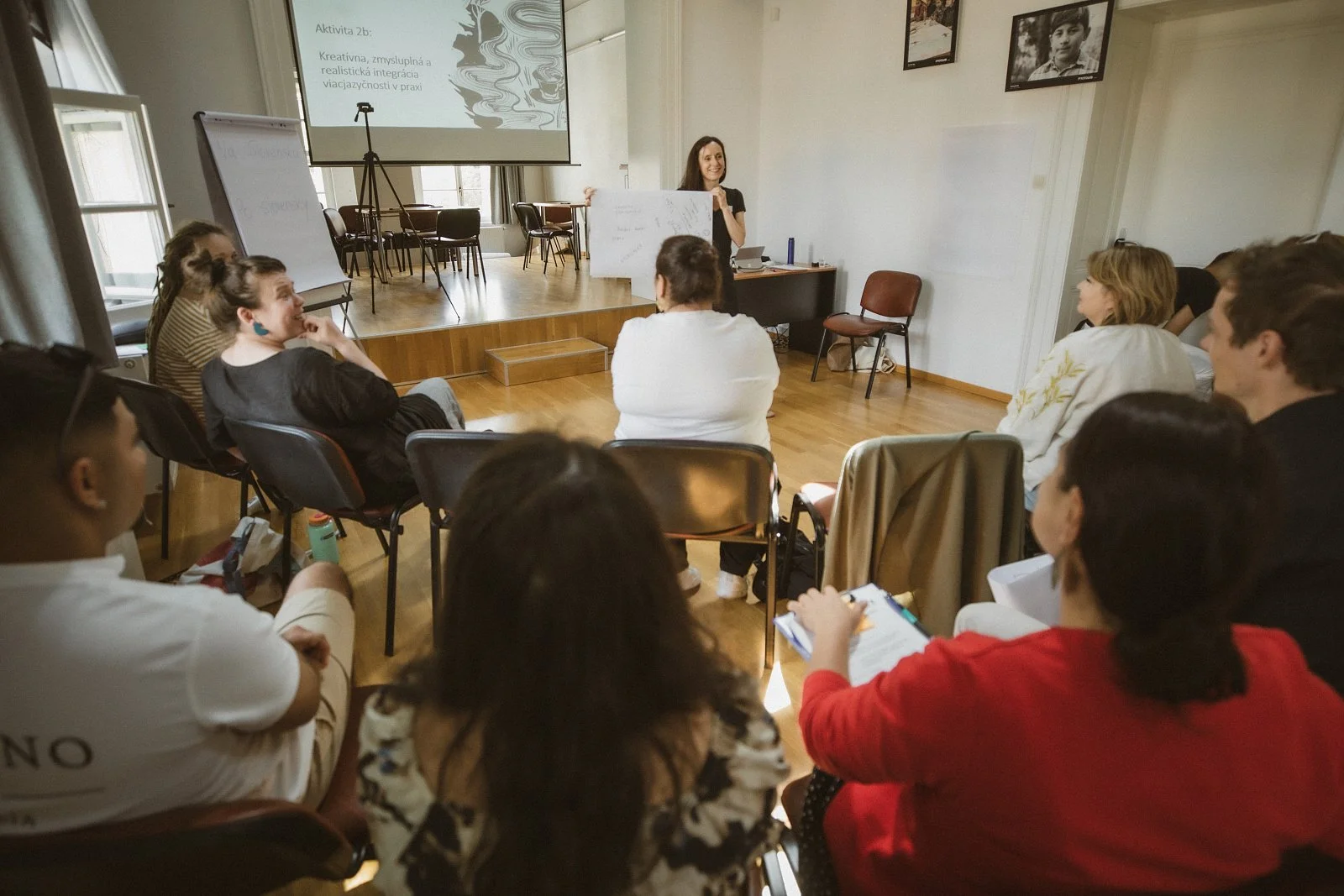
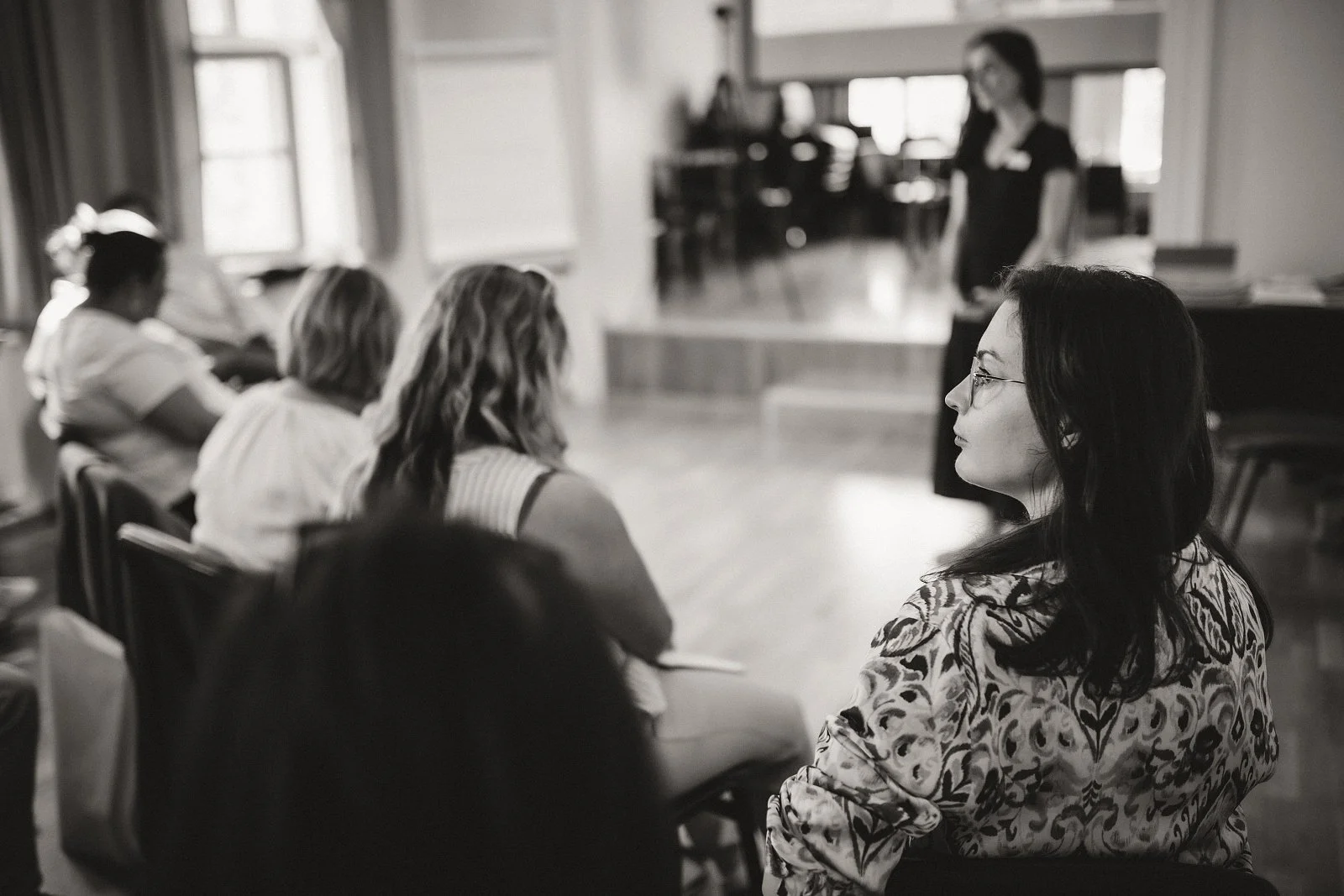
“Workshop sa mi veľmi páčil a bol pre mňa nesmierne užitočným . Najviac mi v pamäti utvela úžasná atmosféra, ktorá pripomínala rodinný kruh, a taktiež veľká tolerancia názorov, ktoré zaznievali v diskusiách.Veľmi ma oslovila a inšpirovala myšlienka, ako vyjadriť svoj názor prostredníctvom grafického stvárnenia, na ktorom sme pracovali v tíme. Keďže pracujem s deťmi, plánujem túto elementárnu umeleckú predstavivosť a fantáziu (presne tak, ako sme to robili na workshope) aktívne využívať v praxi. Verím, že to pomôže k lepšiemu porozumeniu v kolektíve a k posilneniu priateľských vzťahov medzi žiakmi.”
— Svitlana Piskova, pedagogička, učiteľka v nedeľnej škole „Ukrajinské štúdiá“ v Košiciach, dobrovoľníčka
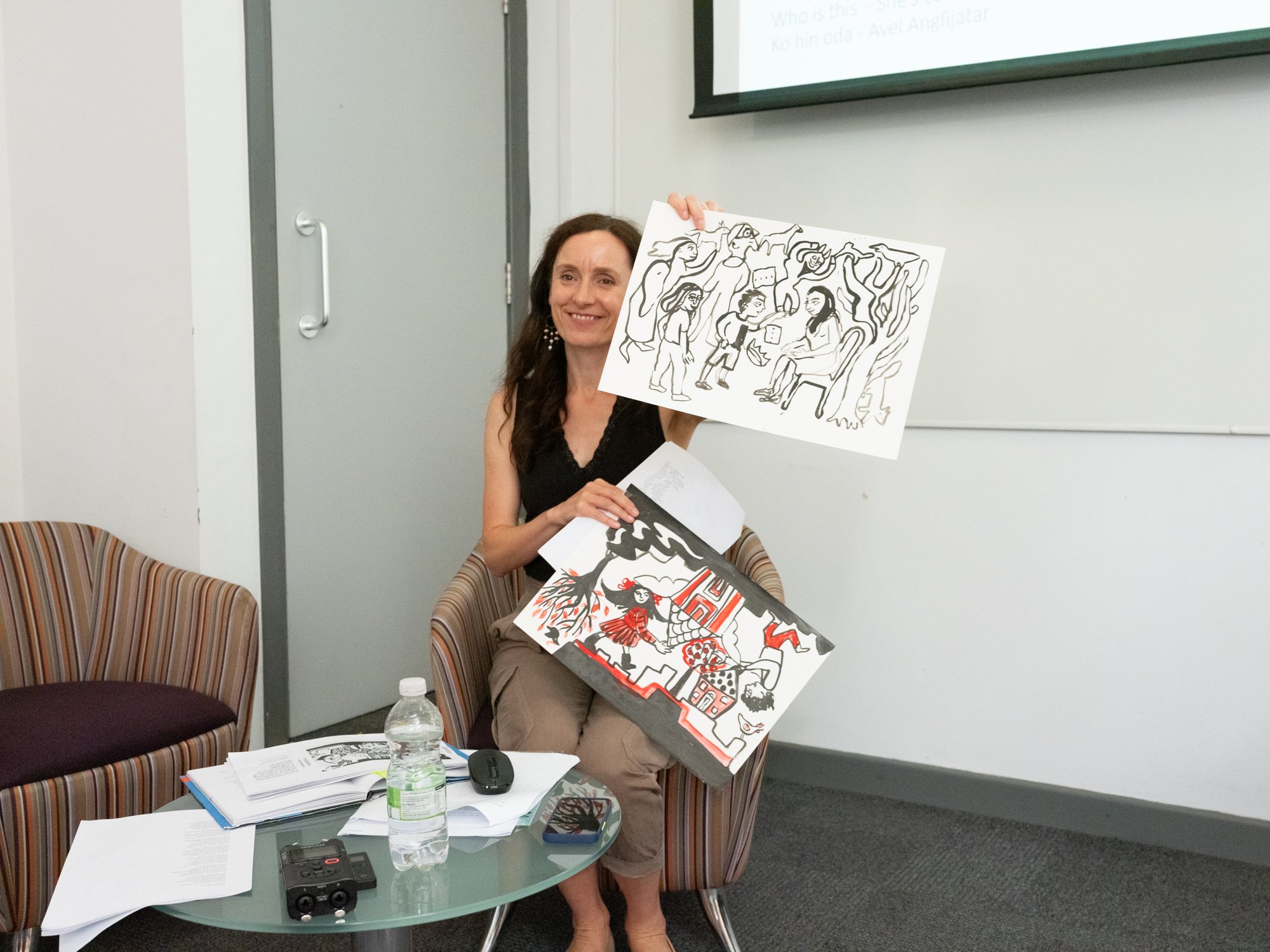
“I really enjoyed the workshop and found it incredibly useful. What stayed with me most was the wonderful atmosphere, which felt like being part of a family circle, as well as the great respect and openness towards the different opinions expressed during our discussions. I was particularly inspired by the idea of expressing our opinions through visual art, which we explored as a team. As I work with children, I plan to actively incorporate this simple yet powerful use of artistic expression and imagination into my practice, just as we did during the workshop. I believe this will help foster better mutual understanding within the group and strengthen friendships among pupils.”
“Získala som cenné podnety, ako možno pracovať v triede, kde sa nachádzajú majoritní, ukrajinskí aj rómski žiaci. Uvedomila som si, že multikultúrna výchova začína vytvorením priestoru pre zmysluplnú komunikáciu, ktorá je možná aj bez ovládania jazykov účastníkov diskusie”
— Iveta Kovalčíková, Prešovská univerzita
“I gained valuable insights into how to work with a class comprising majority-group, Ukrainian and Roma pupils. I realised that intercultural education begins with creating space for meaningful communication, which is possible even without speaking the languages of those taking part in the discussion.”
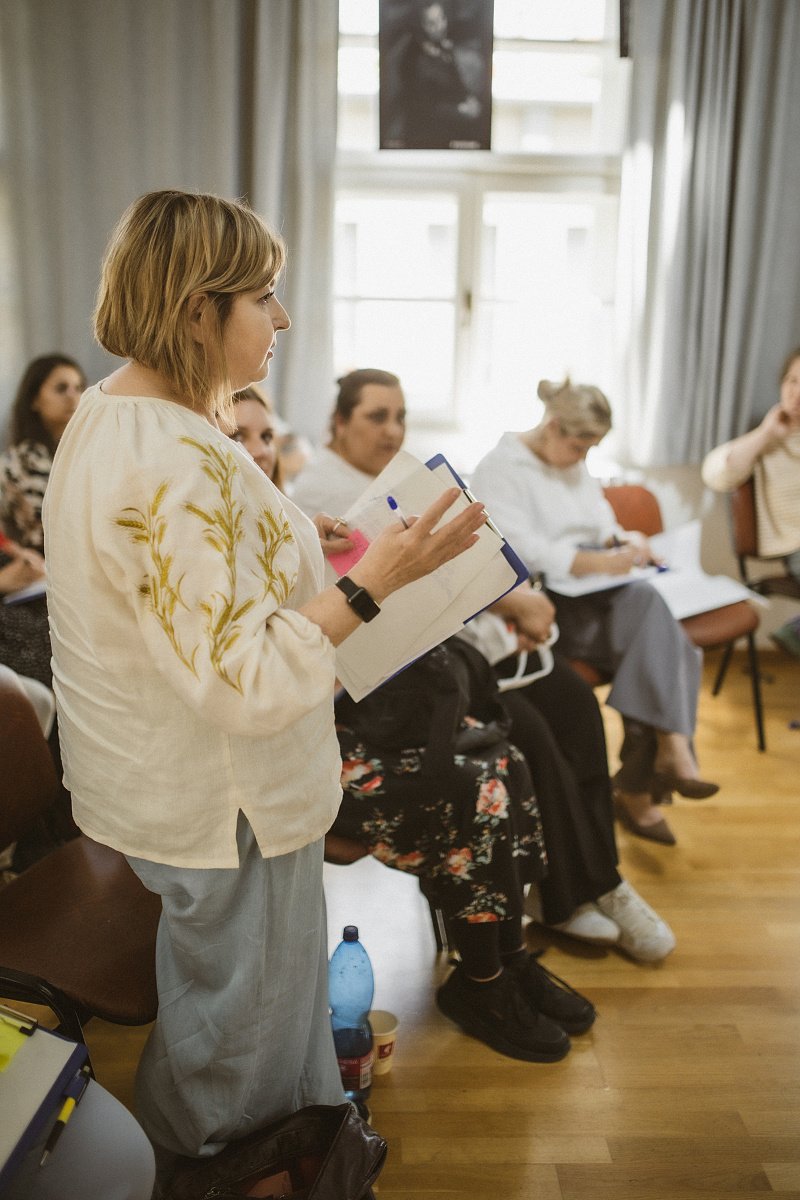
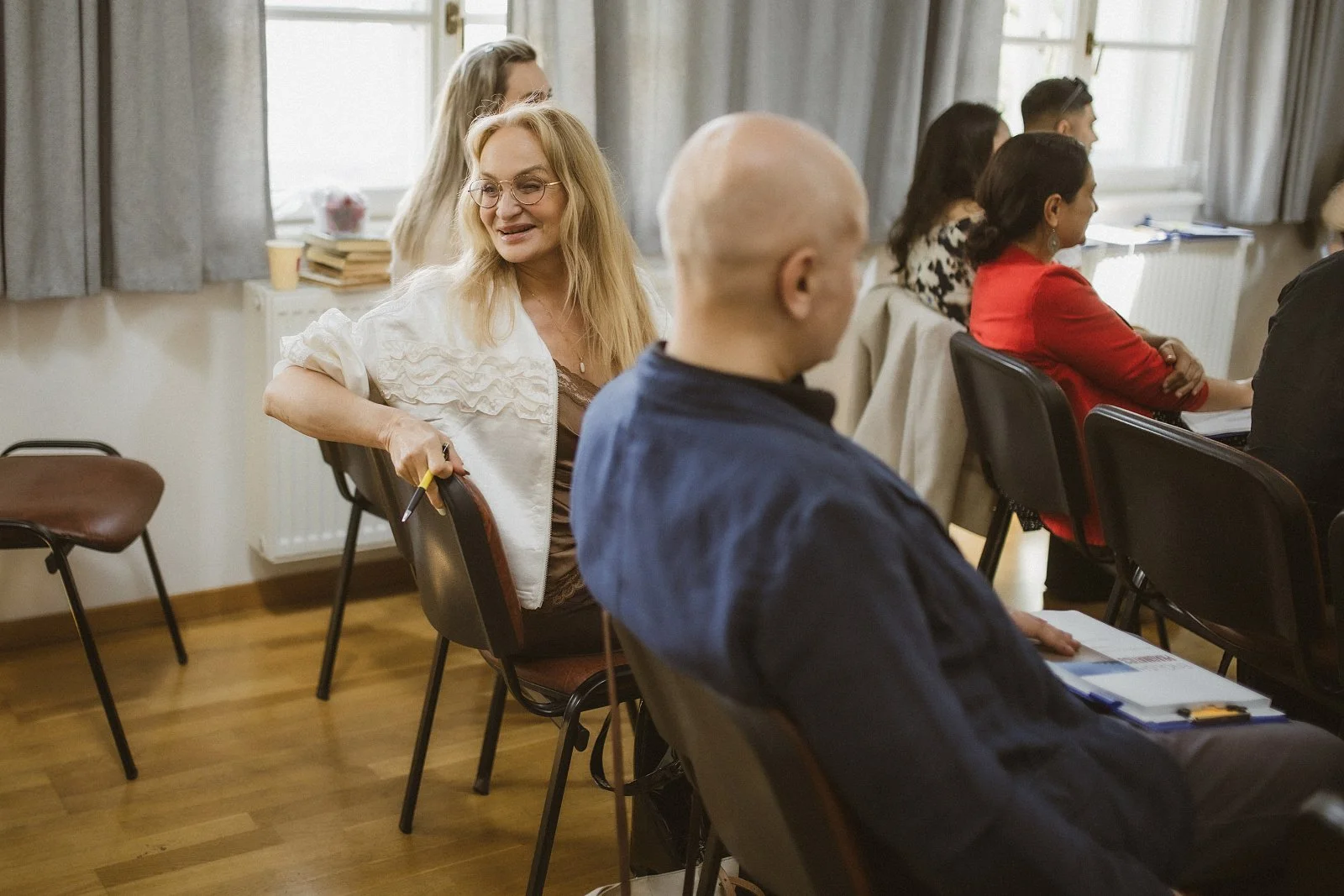
“Atmosféra na workshope bola úplne fantastická,cítil som sa uvoľnene a vôbec som sa nebál povedať svoj názor. Príjemne ma oslovilo, že ľudia z majority majú záujem sa venovať rómskemu jazyku a rómskej problematike. Myslím si, že vzdelávanie a stretávanie sa vo viacjazyčnom prostredí môže byť obohacujúce aj pre ľudí z majority, ale aj minority,lebo sa môžme veľa navzájom naučiť a prehĺbiť si poznatky o tom druhom. Nadobudnuté poznatky vo svojej práci môžem využiť,tak že budem šíriť pozitívny pocit medzi rómskou komunitou, že majú na čo byť hrdí.”
— Nikolas Čisár ETP Slovensko
“The atmosphere at the workshop was absolutely fantastic. I felt relaxed and was not afraid to express my opinion. I was pleasantly surprised that people from the majority population were interested in learning about the Romani language and Romani issues. I believe that learning and meeting in a multilingual environment can be enriching for both majority and minority communities, as we can learn a great deal from one another and deepen our understanding of each other. I can apply what I learned in my work by fostering a positive sense of pride within the Roma community and helping people recognise that they have much to be proud of.”
“Oslovila ma schopnosť lektorky (a ochota účastníkov) prepojiť priestor a ľudí, ktorí sa v ňom prvýkrát stretli s širším výskumom a odbornými témami. Bolo zaujímavé ako dynamicky sme prechádzali od konkrétna k abstraktnému, od priamych skúseností jendotlivcov, k širším spoločenským javom a súvislostiam nielen na Slovensku, ale aj medzinárodne. Oslovila ma báseň, ktorá prenáša význam aj bez slov. Oslovilo ma, že aj v advokácii tém a metód, nie je vždy potrebné hľadať riešenie, mať názor. Oslovilo ma, že workshop prepojil rozmanitú skupinu ľudí a vytvoril priestor na diskusiu, ale aj kreatívnu (seba) realizáciu. Pokiaľ pracujeme s materiálmi a aktivitami, ktoré umožňujú alebo podnecujú ku komunikácii aj v iných jazykoch, prirodzene prinášame do vzdelávania bohatstvo, skúsenosti a poznatky viacerých účastníkov. Nestačí to “umožniť v zmysle deklarovať, že môžu, ale toto “umožnenie” si v kontexte dlhodobého potláčania menšinových jazykov vyžaduje aktívitu.”
— Mária Takáčová, Cesta von
“I was particularly impressed by the lecturer’s ability, and the participants’ willingness, to connect the space and people who were meeting for the first time with broader research and professional themes. It was fascinating to see how dynamically we moved from the concrete to the abstract, from individuals’ direct experiences to wider social phenomena and connections, both in Slovakia and internationally. I was touched by the poem, which conveyed meaning without words. I also appreciated the realisation that, when advocating for particular issues and approaches, it is not always necessary to find a solution or have an opinion. I valued how the workshop brought together a diverse group of people, creating space not only for discussion but also for creative self-expression and fulfilment. When we work with materials and activities that enable or encourage communication in other languages, we naturally bring the wealth of experiences, knowledge and insights of different participants into education. However, it is not enough simply to allow this in the sense of declaring that people are welcome to use other languages. In the context of the long-standing suppression of minority languages, making this possible requires active effort.”
“Atmosféra bola ako keď prídete do cudzej obývačky a namiesto trápneho ticha vás tam čaká teplý čaj, smiech a srdeční ľudia. Oslovila ma ľudskosť. Prekvapilo ma, že aj keď sme niekedy mali malé jazykové bariéry, rozumeli sme si, lebo nás spájali podobné záujmy. A možno aj to, že ľudia, ktorých by ste inak minuli na ulici, vám vedia zmeniť pohľad na svet za pár hodín. Vo svojej práci budem pamätať, že sa treba pozerať sa na človeka, ako na unikát, a neodsudzovať.”
— local charity worker
“The atmosphere felt like stepping into a stranger’s living room and, instead of awkward silence, being welcomed with a warm cup of tea, laughter and kind-hearted people. What touched me most was the humanity. I was surprised that even when we encountered small language barriers, we still understood one another because we shared similar interests. Perhaps I was also struck by how people you might otherwise pass by in the street can change your perspective on the world in just a few hours. In my work, I will remember the importance of seeing each person as unique and without judgment.”